


A Comprehensive Guide to Types of Construction Mortar
Introduction
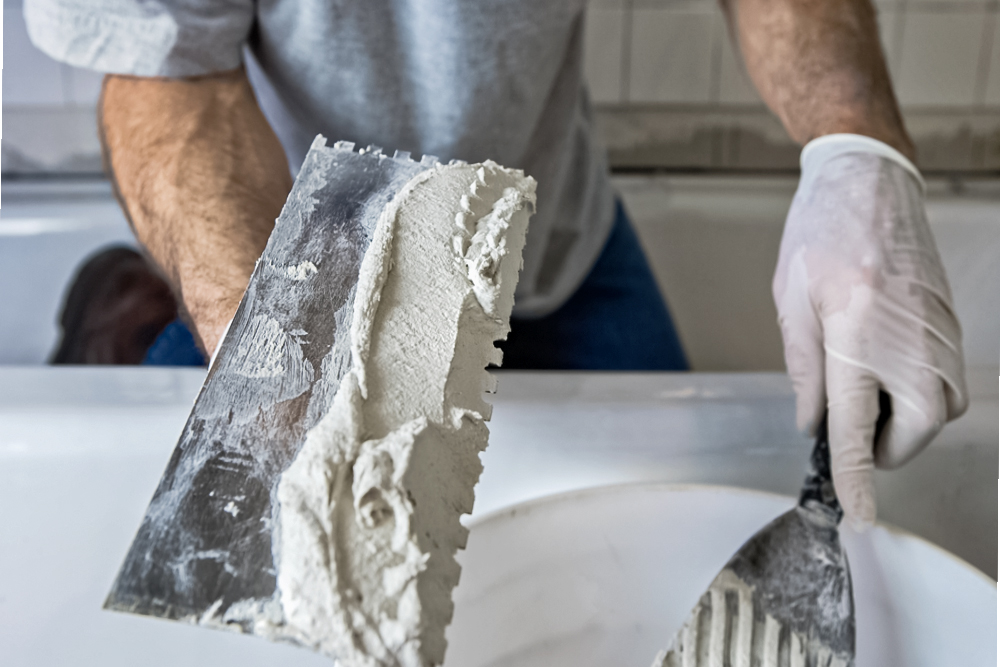
Construction mortar is a crucial material used to bind and cover various surfaces in building projects. Mortar is typically made by combining materials such as cement, gypsum, clay, lime, and other additives. It serves as a mechanical and chemical connector between different building materials, ensuring structural integrity.
Mortar applications include filling gaps, correcting surface imperfections, providing water and fire resistance, enhancing structural strength, and creating aesthetic finishes. Depending on the composition and project requirements, mortar may offer fast drying, compressive strength, moisture resistance, heat resistance, and flexibility.
Types of Construction Mortar
1. Cement Mortar
Cement mortar is made from cement, sand, water, and chemical additives. It is commonly used for:
-
Wall, floor, and ceiling coverage
-
Structural repairs
-
Precast concrete works
Key Features: High compressive strength, water-resistant, fire-resistant, medium drying time.
2. Gypsum Mortar
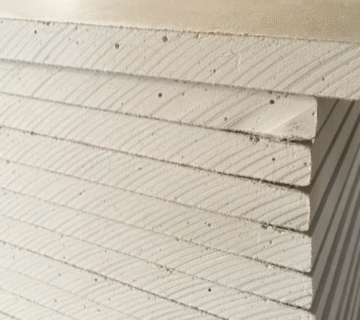
Gypsum mortar is made from gypsum, water, and additives. It is mainly used for interior wall and ceiling coverage.
Key Features: Quick drying, easy to apply, moldable, and provides thermal and acoustic insulation.
3. Clay Mortar
Clay mortar consists of clay, water, and additives. It is suitable for:
-
Constructing and repairing walls
-
Foundation bases
-
Ceramic substrates
Key Features: Adjustable consistency, suitable compressive strength, best for dry environments.
4. Lime Mortar
Lime mortar is made from lime, sand, and water. It is used for:
-
Wall, ceiling, and floor coverage
-
Providing breathable surfaces and moisture regulation
Key Features: Breathable, medium compressive strength, aesthetically pleasing.
5. Polymer Mortar
Polymer mortar is composed of polymers, mineral aggregates, and water. It is typically used for:
-
Interior and exterior surface coverage
-
Flooring
-
Resistant coatings
Key Features: High water and chemical resistance, fast drying, long-lasting durability, strong adhesion.
Comparison of Mortar Types
| Type of Mortar | Key Features | Applications |
|---|---|---|
| Cement Mortar | High compressive strength, water & fire resistant | Walls, floors, ceilings, precast concrete, repairs |
| Gypsum Mortar | Fast drying, moldable, thermal & acoustic insulation | Interior walls, ceilings, decorative finishes |
| Clay Mortar | Adjustable, suitable compressive strength | Walls, building foundations, ceramic bases |
| Lime Mortar | Breathable, medium strength, aesthetic | Walls, floors, ceilings |
| Polymer Mortar | Water & chemical resistant, durable | Interior/exterior coverage, flooring, resistant coatings |
This comparison helps select the most suitable mortar based on project requirements. Consulting a construction expert is recommended before finalizing the choice.
Factors Affecting Mortar Implementation Costs
The cost of applying mortar depends on:
-
Type of mortar
-
Surface area and project size
-
Environmental conditions
-
Labor costs
-
Material prices
-
Transportation and maintenance
Estimated Costs by Mortar Type:
-
Cement Mortar: Slightly higher, but offers long-term durability.
-
Gypsum Mortar: Lower cost due to fast drying and reduced labor time.
-
Clay Mortar: Low cost but requires longer drying time.
-
Lime Mortar: Moderate cost, between gypsum and cement mortar.
-
Polymer Mortar: Higher upfront cost but saves over time due to resistance and durability.
Costs may also vary by region, market conditions, and supplier prices. Consulting local contractors ensures accurate budgeting.
Mortar Lifespan
| Type of Mortar | Average Lifespan | Influencing Factors |
|---|---|---|
| Cement Mortar | 20+ years | Quality of materials, installation, environmental conditions |
| Gypsum Mortar | 10–15 years | Dry environments, minimal water contact |
| Clay Mortar | 10–15 years | Dry environments, proper maintenance |
| Lime Mortar | 10–15 years | Dry environments, proper usage |
| Polymer Mortar | 20+ years | High-quality base materials, correct application |
Proper selection, installation, and maintenance play key roles in mortar longevity.
Conclusion
Understanding the types of construction mortar helps in selecting the right material for specific project needs. Mortars are chosen based on required use, moisture resistance, compressive strength, permeability, and aesthetic finish. By considering these factors, you can ensure durable, efficient, and cost-effective construction.
SEO Keywords Used: construction mortar, types of mortar, cement mortar, gypsum mortar, lime mortar, clay mortar, polymer mortar, mortar lifespan, mortar cost.
لا تعليق