


What is Gypsum Wall Panel and How is it Used?
Designing and covering the walls and ceilings of buildings has always been one of the most important concerns in construction. Gypsum wall panels have made this process much easier, offering both beauty and functionality. But what exactly is a gypsum wall panel, and how is it used?
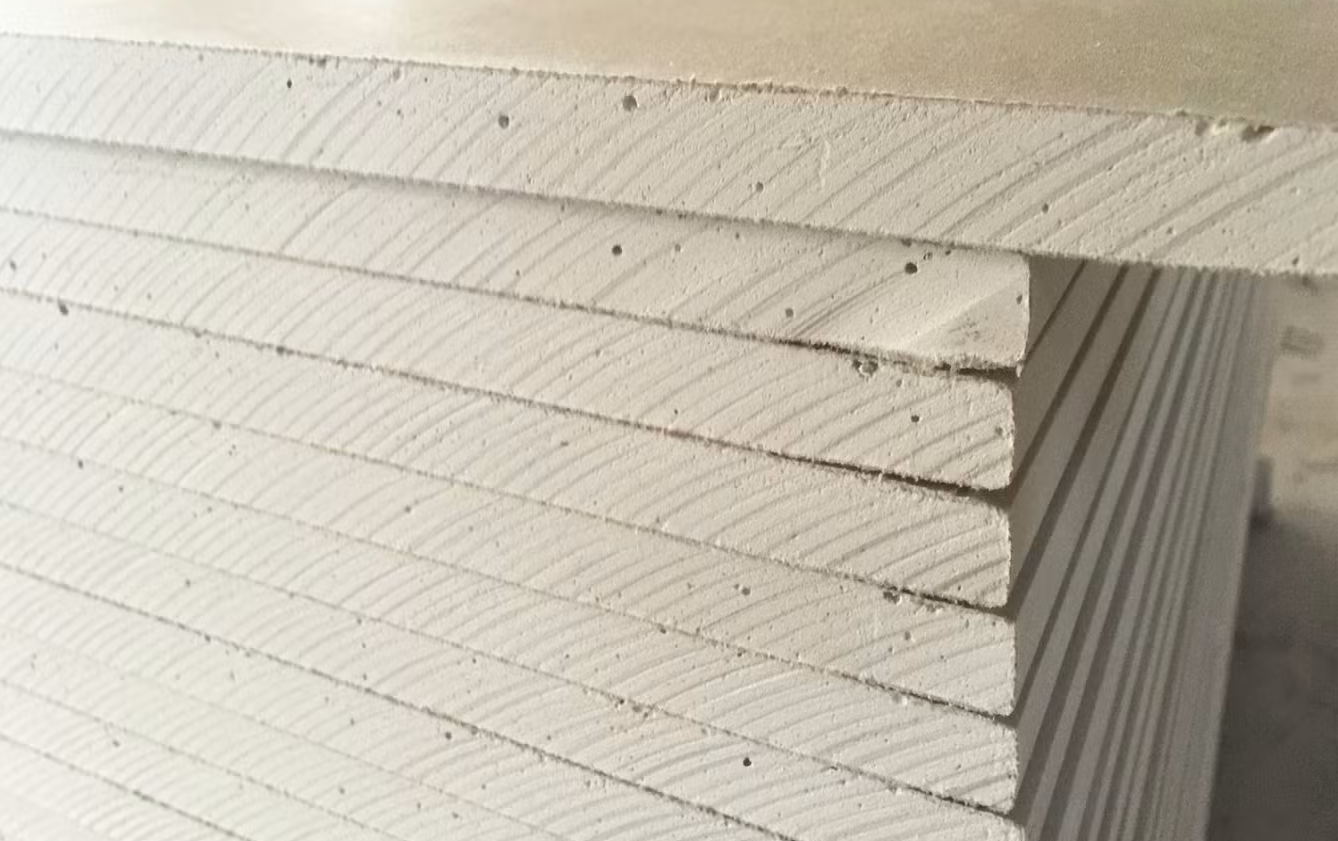
A gypsum wall panel is a thin, prefabricated sheet made from gypsum powder reinforced with special fibers using GRFG technology. Despite being lightweight and slim, these panels are durable and strong, making them an excellent choice for modern interior design. They speed up construction, add elegance to any space, and can be installed on concrete, brick, and ceramic surfaces. Today, gypsum wall panels are considered a practical alternative to traditional plastering and wall finishes.
Types of Gypsum Wall Panels
After answering the question “What is a gypsum wall panel?”, it’s important to look at the different types available:
1. Plain Gypsum Wall Panels
The first generation of wall panels were designed as flat, thin sheets that provided a smooth finish for interior walls. These simple panels remain widely used because they are cost-effective and easy to install.
2. 3D Gypsum Wall Panels
The newer generation is 3D gypsum wall panels, which come in various shapes, textures, and designs. Unlike plain models, 3D panels feature unique patterns that reflect light beautifully and create a luxurious look. Their wide variety makes them suitable for different tastes and interior styles.
Key Features of Gypsum Wall Panels
Gypsum wall panels are known for combining aesthetics with performance. Some of their most important features include:
Elegant and stylish appearance
Resistance to moisture
Paintable and easy to repair
Lightweight structure
Sound and thermal insulation
Fire and heat resistance
Long-lasting durability
Available in different sizes, shapes, and designs
Easy to clean and maintain
Affordable cost
Applications of Gypsum Wall Panels
The use of gypsum wall panels goes beyond simply covering walls. They are also widely used for interior decoration, offering a sophisticated touch to residential, commercial, and office spaces. Common applications include:
Living rooms, bedrooms, hallways, and TV walls
Hotels, restaurants, wedding halls, beauty salons, and clinics
Fireplace walls and feature walls
Cafes, art centers, and modern offices
While plain gypsum panels can be applied to almost all walls, 3D panels are often used on selected walls to create a stunning focal point.
Installation of Gypsum Wall Panels
Installing gypsum wall panels is simple, but to achieve a professional result, certain steps must be followed:
Prepare the wall by cleaning and smoothing the surface.
Measure the wall and calculate the placement of each panel.
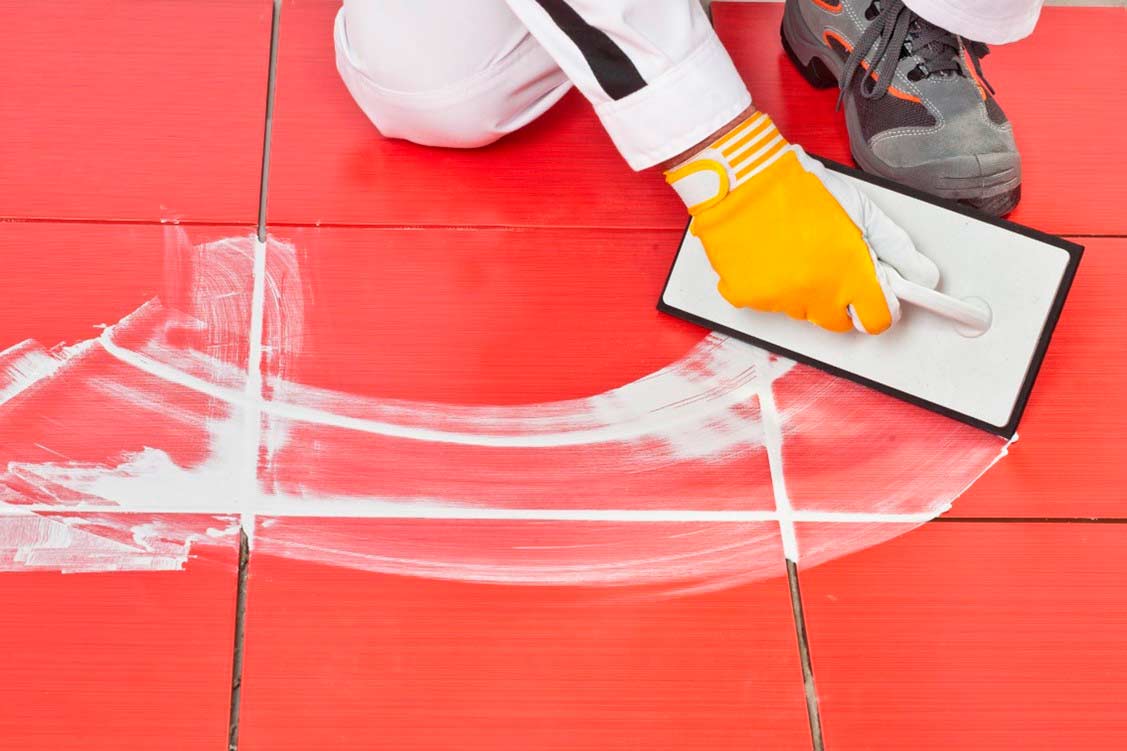
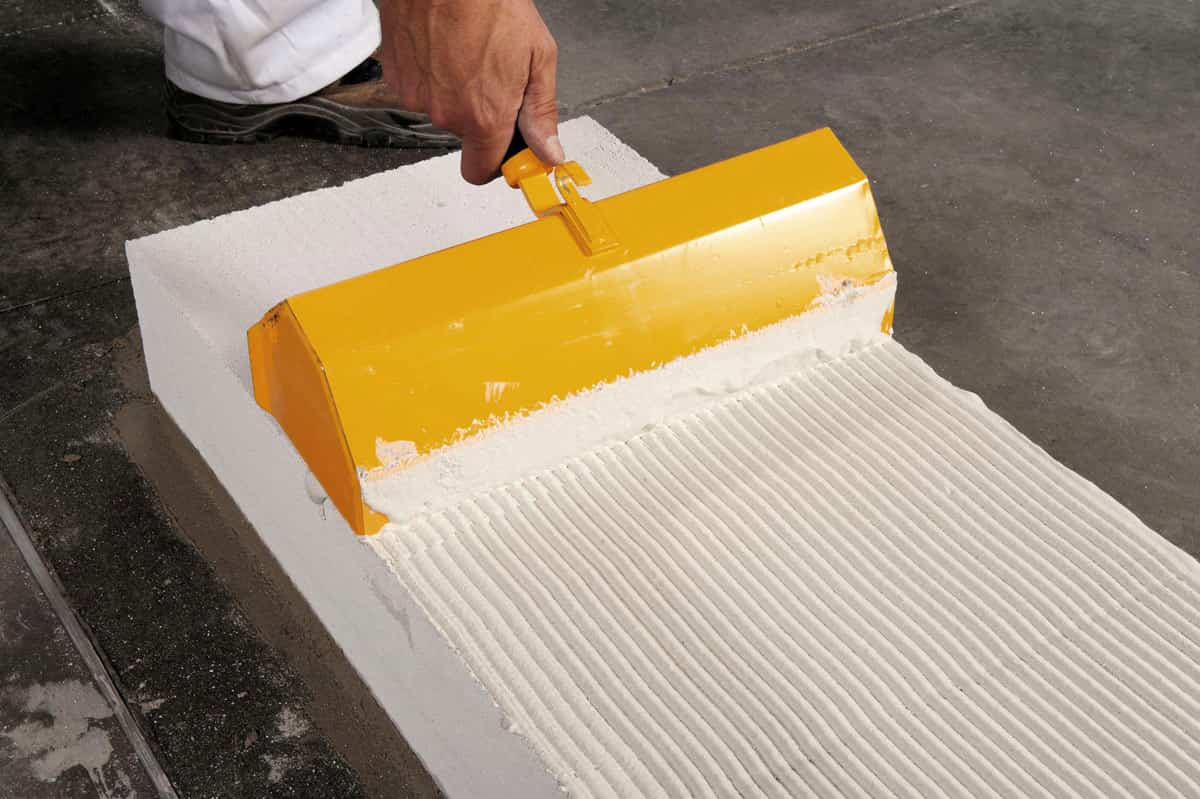
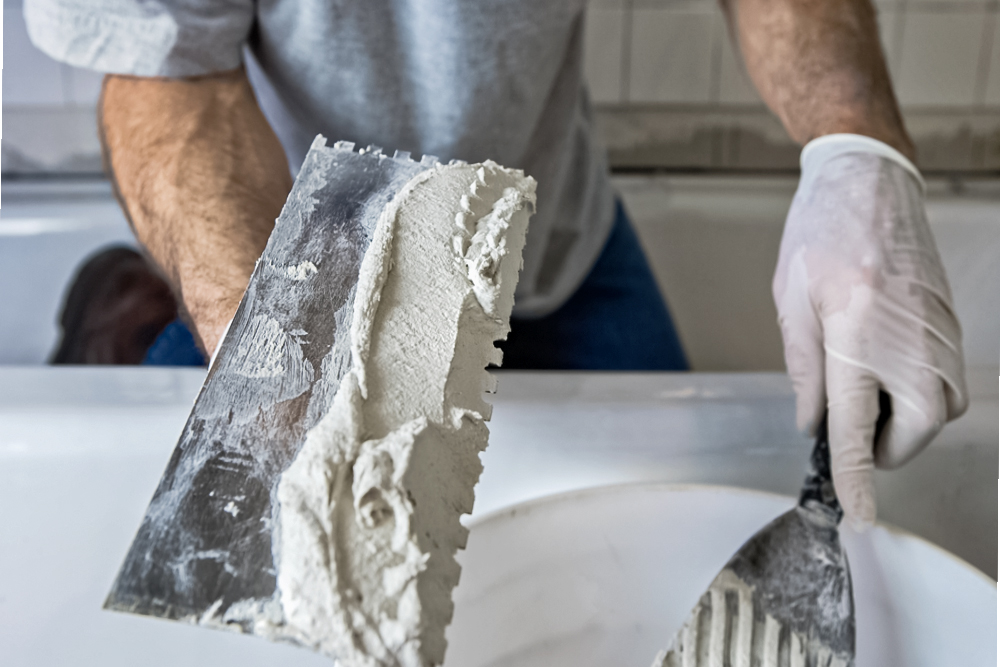
Use industrial adhesives to fix the panels in place.
Install row by row, cutting panels with a special saw if necessary.
Finish with painting to match the desired interior design.
Difference Between Gypsum Wall Panels and Gypsum Boards
Although both products are made from gypsum, they serve different purposes. Gypsum boards (or tiles) are prefabricated panels available in different thicknesses for wall construction. Gypsum wall panels, on the other hand, are thinner and often decorative, designed specifically for covering and beautifying walls.
لا تعليق