


AAC Block Adhesive and Its Consumption Rate
What is AAC Block Adhesive?
AAC block adhesive, also known as Hebel block adhesive, is a ready-to-use mortar specially designed for the installation of lightweight AAC (Autoclaved Aerated Concrete) blocks. Unlike traditional cement and sand mortar, this adhesive is a fine dry powder composed of clean silica sand, polymer binders, and additives that improve bonding strength. By simply mixing the dry powder with water, builders can create a homogeneous paste that ensures quick and efficient block laying. AAC block adhesive is usually available in 20–25 kg bags and comes in white or grey color.
Applications of AAC Block Adhesive
AAC block adhesive has become the standard choice for construction projects that use lightweight blocks. Its main applications include:
-
Bonding AAC blocks in wall construction.
-
Filling gaps between blocks during masonry work.
-
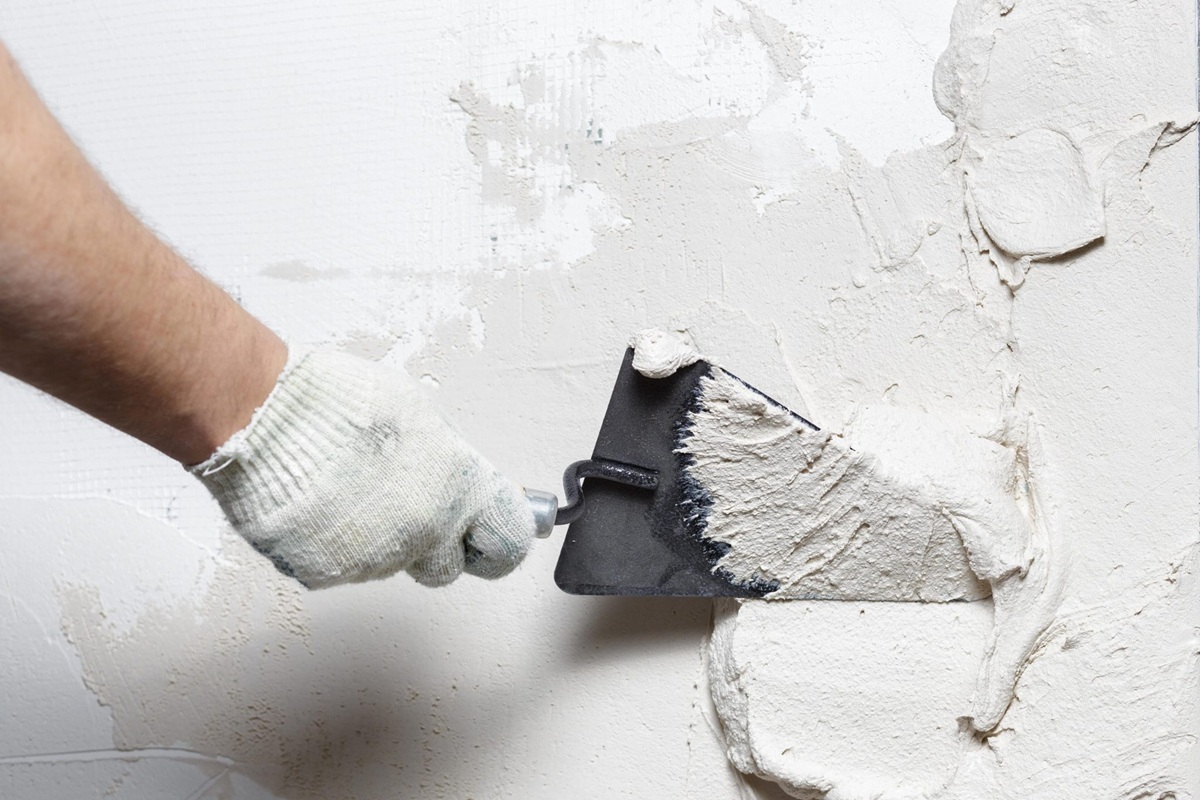
Repairing minor cracks, scratches, or damages on AAC block walls.
-
Surface leveling before plastering, tiling, or other finishes.
Key Advantages of Using AAC Block Adhesive
Switching from traditional mortar to AAC block adhesive offers multiple benefits for both builders and property owners:
-
Easy to use – Simply mix the dry powder with water to create a paste. No additional materials are required.
-
High adhesion strength – Provides strong bonding between AAC blocks, ensuring structural stability.
-
Lightweight material – Reduces the overall load on the structure compared to heavy cement mortars.
-
Faster construction speed – Due to its easy application and quick setting time, building projects progress faster.
-
Corrosion resistance – The adhesive minimizes the reactivity of steel reinforcement, reducing rust and corrosion.
-
Fire resistance – Non-combustible material that enhances building safety.
-
Water resistance – Prevents water penetration, making walls moisture-proof.
-
Thermal and acoustic insulation – Helps maintain indoor temperature and reduces noise.
-
Eco-friendly & low waste – Produces minimal construction waste and is cost-effective.
-
Compatible with all finishes – After application, walls can be finished with tiles, stone, or paint without issues.
How to Use AAC Block Adhesive?
Using AAC block adhesive is a straightforward process. The preparation and application steps include:
-
For every 25 kg bag of adhesive, add approximately 7 liters of clean water.
-
First, mix one-quarter of the bag with water to ensure smooth blending.
-
Stir well until a uniform paste is formed.
-
Allow the mixture to rest for a few minutes to achieve proper consistency.
-
Stir again before use to obtain a homogenous, lump-free paste.
-
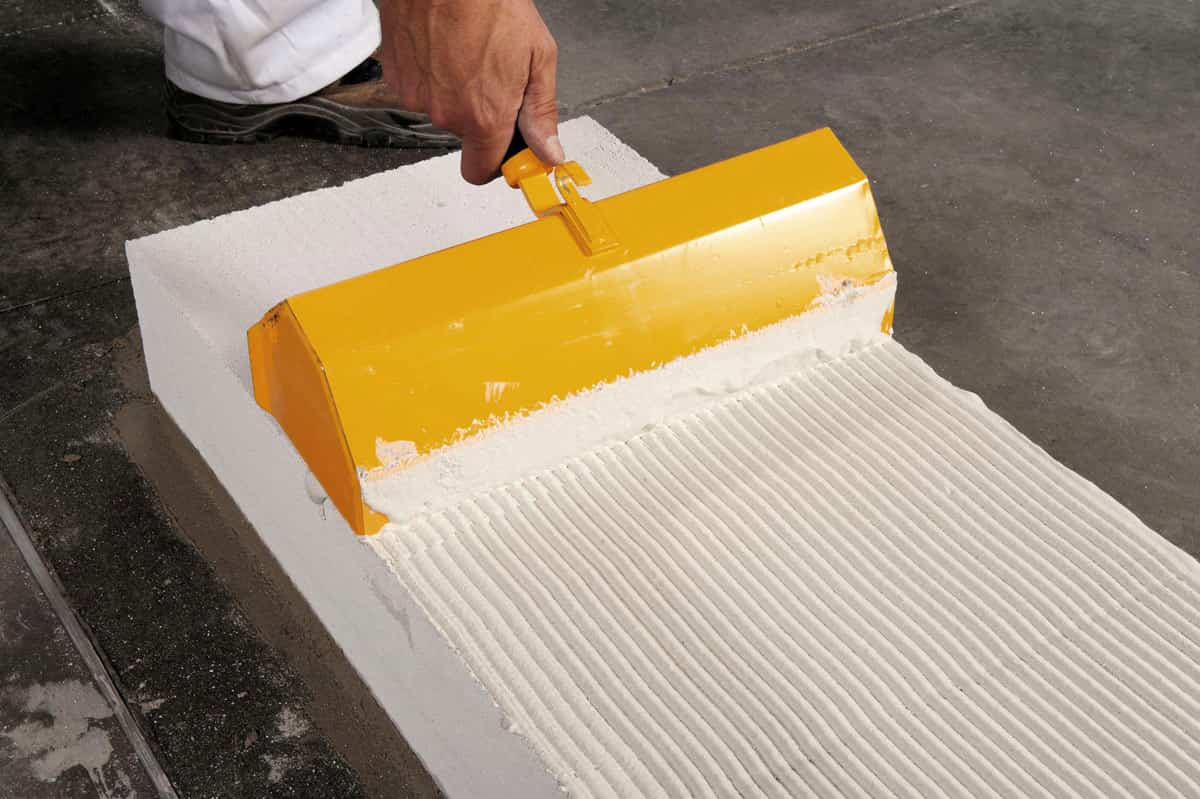
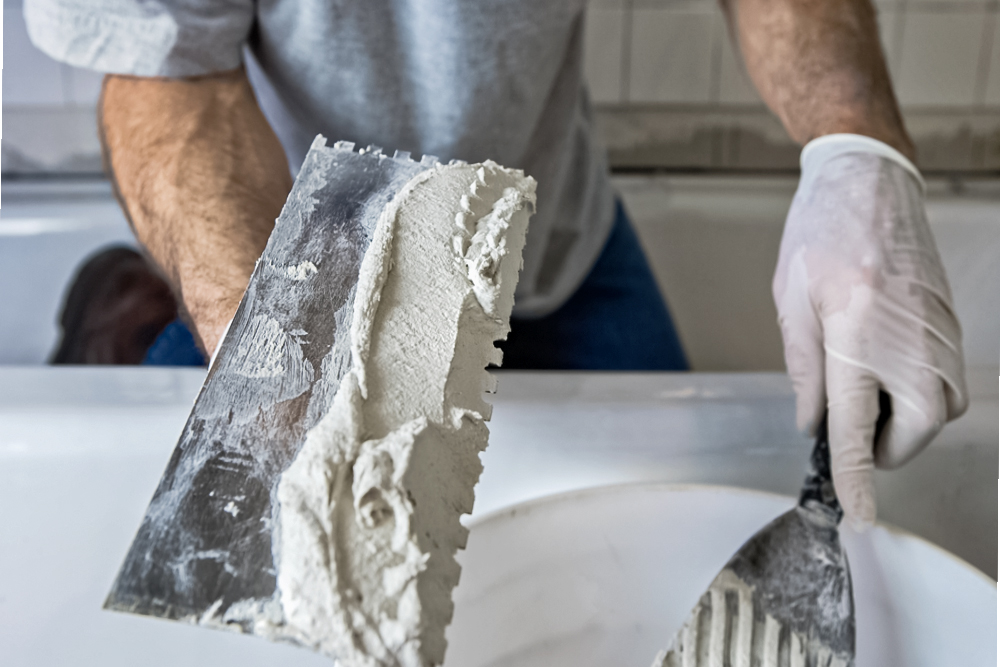
Apply the paste with a notched trowel at a thickness of 2–3 mm between AAC blocks.
-
Spread evenly until the surface becomes smooth and uniform.
-
Do not use the adhesive paste more than 2 hours after mixing with water.
-
Never re-add water to hardened paste, as it reduces bonding strength.
-
For cold climates (0–10°C), warm water should be used to maintain adhesive performance.
Consumption Rate of AAC Block Adhesive
The consumption of AAC block adhesive depends on the size and density of the blocks, but general guidelines are as follows:
-
On average, 20 kg of adhesive is required for 1 cubic meter of AAC block masonry.
-
For a building with 200 square meters of wall area, approximately 750 kg of adhesive will be needed.
-
Each 25 kg bag mixed with 7 liters of water produces around 16 liters of ready-to-use paste.
-
The recommended application thickness is 2–3 mm, which ensures minimal material usage while maintaining strong bonding.
Best Conditions for Application
-
Ideal temperature: 15–18°C.
-
Shelf life: Up to 12 months when stored in a dry place and unopened.
-
Avoid use in extreme cold (below 0°C) unless warm water is added.
-
In hot and dry climates, the adhesive can be used without performance issues.
Conclusion
AAC block adhesive is an essential construction material that simplifies AAC block installation, reduces overall costs, and enhances building durability. Its advantages, such as strong adhesion, resistance to water and fire, lightweight composition, and easy application, make it a better alternative to traditional cement mortar. For builders and contractors working with AAC blocks, using the right adhesive not only saves time but also guarantees long-lasting performance.
لا تعليق