



Comprehensive Guide to Grout Powder: Applications, Types, and Key Usage Tips
Introduction
Grout powder is one of the most essential materials in the construction industry, mainly used for filling tile joints and enhancing the strength of surfaces made of ceramic, stone, brick, or porcelain. When applied correctly, it not only improves the overall appearance but also prevents water penetration, mold growth, and damage to tile edges. In this article, we will cover everything about grout powder, including its types, benefits, proper application, and important buying tips.
What is Grout Powder?
Grout powder is a ready-to-use mortar that, when mixed with water or special resins, forms a paste-like substance. This paste is applied between tile joints to ensure durability, stability, and resistance to moisture. Besides its structural role, grout powder also contributes to the aesthetic appeal of tiled surfaces by offering various color options.
Types of Grout Powder
Depending on the composition and intended use, grout powder is classified into several main types:
1. Cement-Based Grout Powder
-
Made from cement, stone powder, and additives.
-
Suitable for both indoor and outdoor applications.
-
Resistant to pressure and temperature changes.
2. Epoxy Grout Powder
-
Composed of epoxy resin and hardeners.
-
Waterproof, chemical-resistant, and ideal for industrial and hygienic environments.
-
Extremely durable but requires professional application.
3. Resin-Based Grout Powder
-
Highly flexible and ideal for wet areas such as bathrooms, swimming pools, and spas.
-
Resistant to cracks and discoloration.
4. Nano Grout Powder
-
Features water-repellent and antibacterial properties.
-
Perfect for spaces requiring maximum hygiene, such as hospitals and laboratories.
-
More expensive compared to other types of grout.
Benefits of Using Grout Powder
-
Waterproofing: Prevents leakage and moisture penetration between tile joints.
-
Durability: Strengthens tile surfaces, preventing shifting or cracking.
-
Aesthetic Appeal: Available in a wide range of colors for seamless design integration.
-
Resistance to Mold and Stains: Many modern grout powders contain additives that block mold and bacterial growth.
How to Use Grout Powder
1. Surface Preparation
-
Clean the tile surface and joints thoroughly before grouting.
-
Ensure the joints are dry and free of dust or debris.
2. Mixing the Grout
-
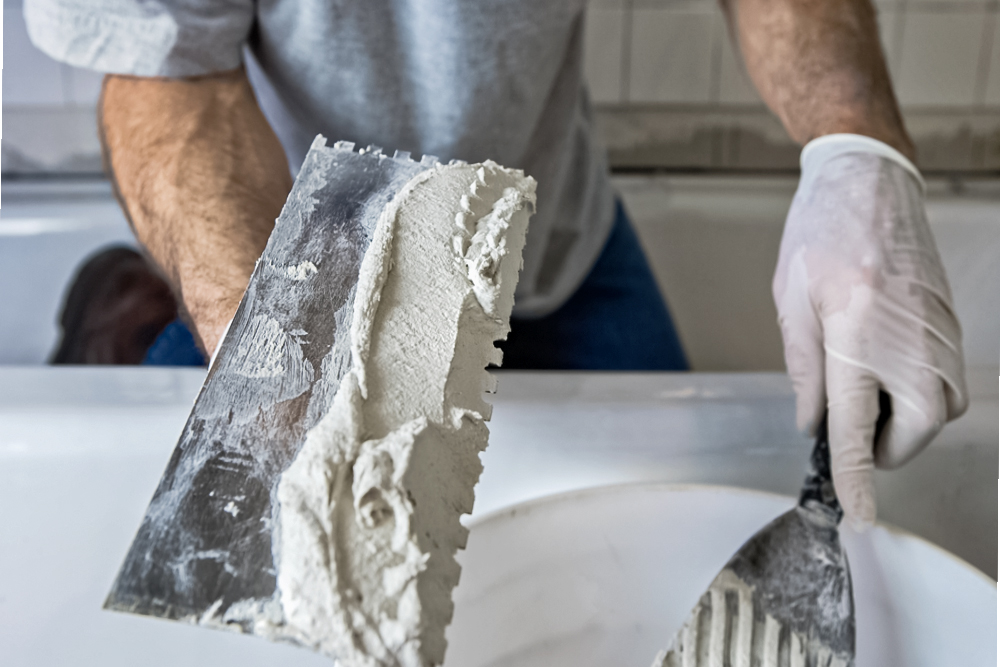
Combine the grout powder with clean water or the recommended liquid solution.
-
Stir well until a smooth and uniform paste is formed.
3. Application
-
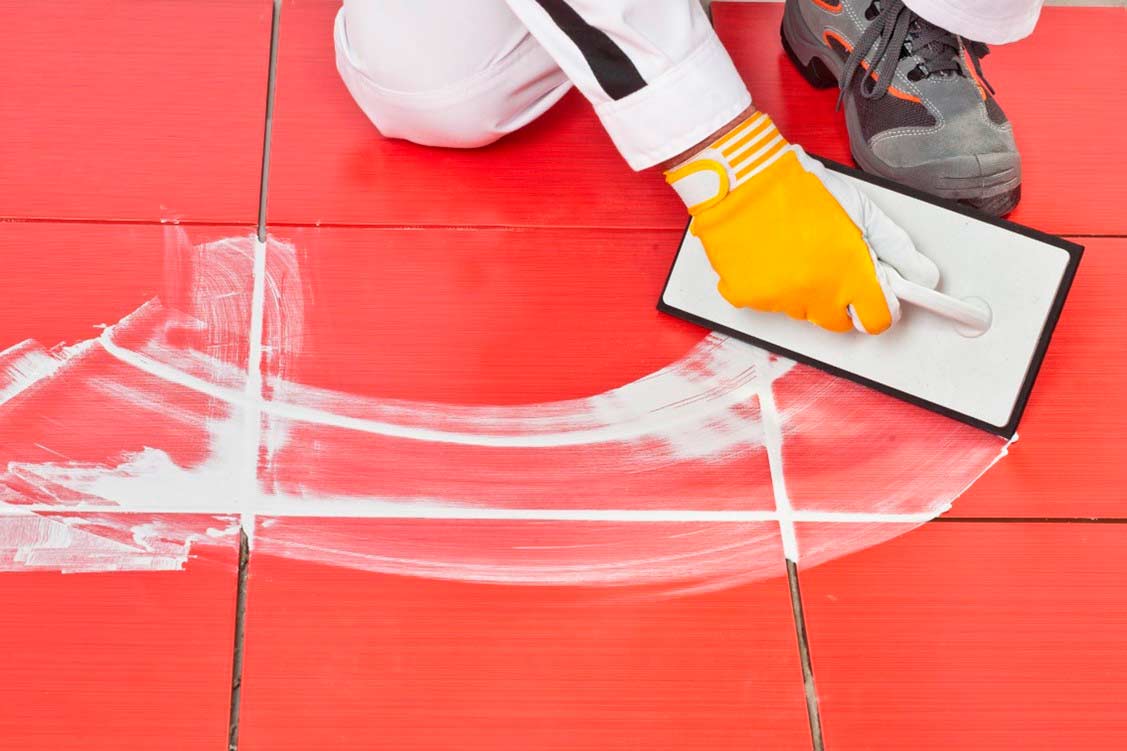
Apply the paste into tile joints using a rubber float or spatula.
-
Remove excess grout from the tile surface with a damp sponge.
4. Drying and Final Cleaning
-
Allow the grout to dry completely (typically 12–24 hours, depending on the product).
-
After drying, wipe the tiles with a damp cloth to remove any residue.
Key Tips When Buying Grout Powder
-
Application Area: Choose the right type of grout based on the environment (wet, industrial, residential).
-
Color Options: Select a color that matches or contrasts with your tiles for the desired finish.
-
Resistance Properties: For bathrooms, kitchens, and pools, use waterproof and chemical-resistant grout.
-
Brand and Quality: Always purchase from trusted brands to ensure durability and long-term performance.
Conclusion
Grout powder is a vital element in tile installation and maintenance, offering strength, protection, and beauty to tiled surfaces. By choosing the right type, applying it correctly, and following maintenance guidelines, you can achieve durable and visually appealing results. Understanding the different types of grout powder helps homeowners, builders, and designers select the most suitable option for each project, ensuring lasting performance and aesthetics.
لا تعليق