



Properties of Construction Gypsum: Advantages and Limitations
Introduction
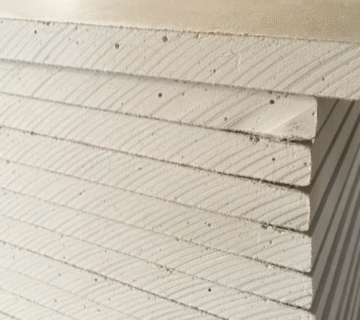
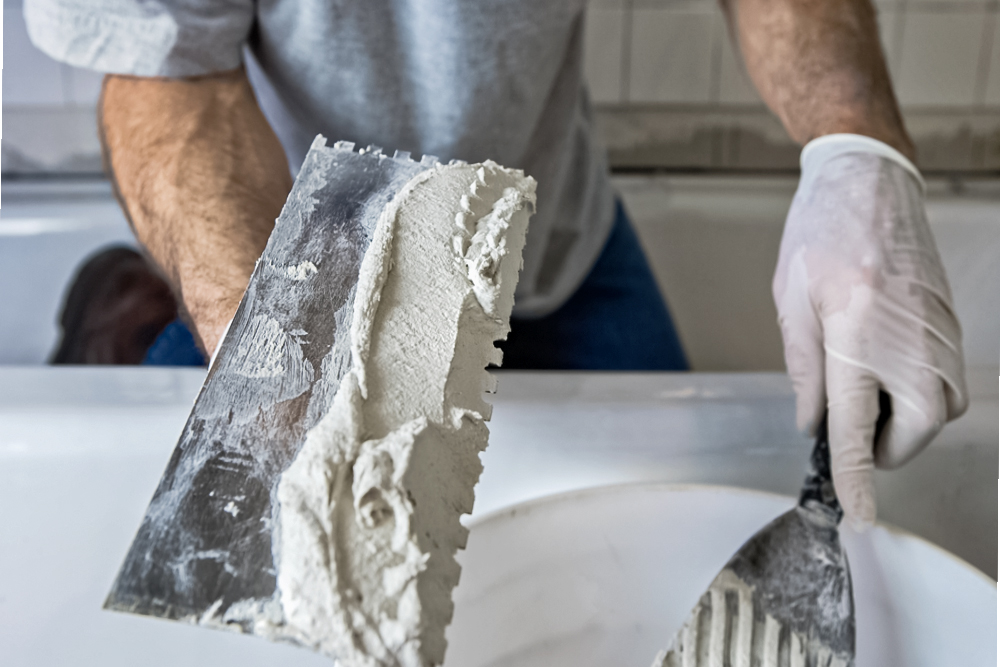
Gypsum is one of the most widely used construction materials due to its unique properties, which make it highly effective in various stages of building construction. From interior plastering to decorative finishes, gypsum provides both structural and aesthetic benefits.
Key Properties of Construction Gypsum
1. Quick Setting
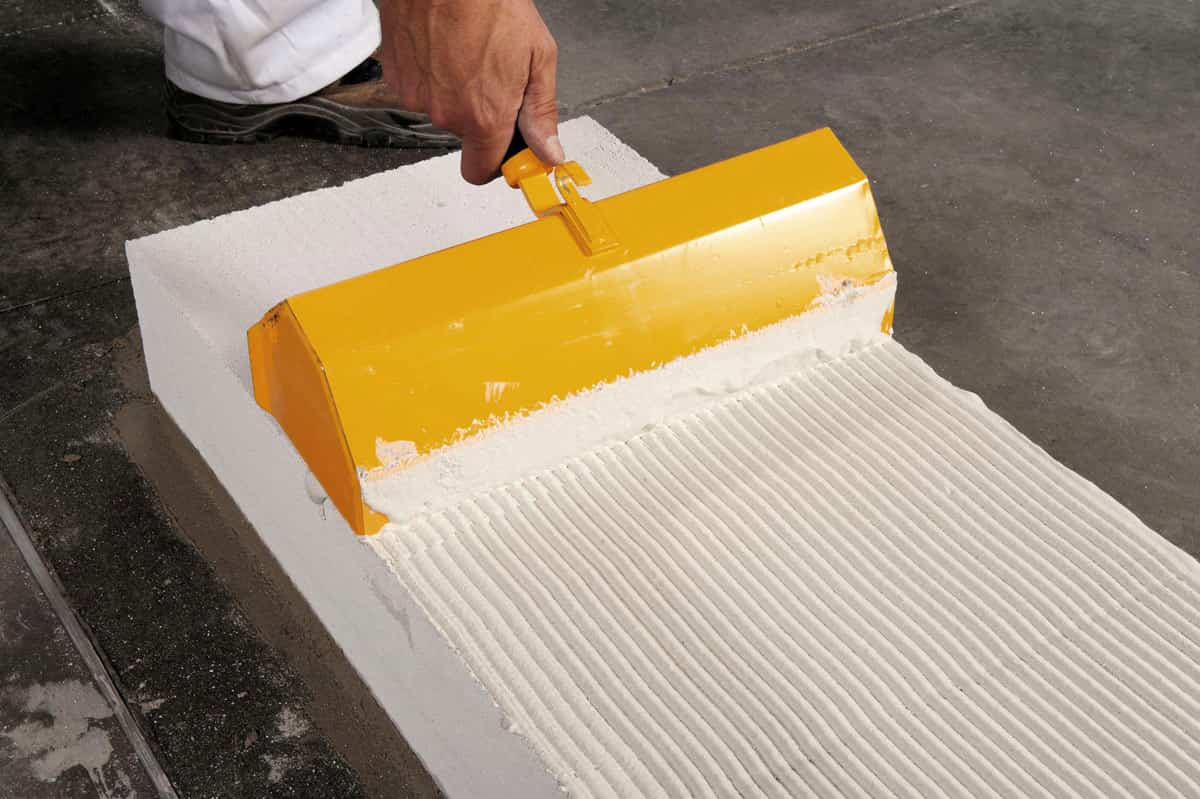
Gypsum mortar sets very quickly, typically within 10 minutes. This property makes it ideal for:
Building thin partitions
Arches and decorative elements where each row of bricks must stabilize quickly before continuing construction
2. Expansion During Hardening
Gypsum is unique in that it expands slightly while setting. This property allows it to fill gaps and small voids, preventing cracks and deterring insects from nesting in walls.
3. Fire Resistance
Once hardened, gypsum contains two molecules of crystallized water. When exposed to fire, this water is released, forming a protective layer that resists heat for 2 to 3 hours, preventing the spread of flames to other parts of the building.
4. Acoustic Properties
Gypsum is effective in absorbing sound vibrations, reducing reflection by 60–75%. This makes it an excellent choice for interior walls and ceilings in spaces requiring sound insulation.
5. Plasticity and Moldability
Gypsum’s plastic nature allows it to be shaped into decorative designs through plastering art, providing architectural elegance.
6. Natural White Color
After drying, gypsum turns white, offering a clean and aesthetically pleasing finish.
7. Paintability
Dried gypsum can be painted with any type of paint, allowing for customized finishes.
8. Compatibility with Pigments
Gypsum can be combined with both mineral and natural pigments, enabling decorative and colored plaster applications.
9. Hardening Process
Gypsum powder contains 0.5 molecules of water. When mixed with water, it absorbs an additional 1.5 molecules to form two molecules of crystallized water, hardening into a solid. While it does not reach the hardness of natural gypsum stone, it is sufficient for most construction purposes.
10. Compressive and Tensile Strength
Gypsum can withstand approximately 30 kg/cm² in compression and 5 kg/cm² in tension, making it suitable for standard construction applications.
11. Cost-Effectiveness
Gypsum is affordable compared to many other building materials, making it a cost-efficient choice for construction.
12. Abundance
Gypsum is the fifth most abundant mineral in nature and is readily available worldwide.
Limitations of Gypsum
1. Poor Water Resistance
Gypsum is highly susceptible to moisture and water. Plaster layers can blister, peel, or lose adhesion when exposed to water.
Implications:
Not suitable for bathrooms, kitchens, or wet areas
Avoid in regions with high humidity, such as northern climates
Conclusion
Gypsum remains a versatile and essential material in construction due to its quick setting, fire resistance, acoustic properties, moldability, and cost-effectiveness. However, its susceptibility to moisture requires careful application in dry areas or the use of water-resistant gypsum alternatives for wet environments.
SEO Keywords Included: construction gypsum, properties of gypsum, gypsum plaster, gypsum advantages, gypsum limitations, gypsum in construction, plastering gypsum.
لا تعليق